Plaster. This single, solitary word in the old house vernacular elicits a visceral reaction of sorts in many people. It's a characteristic trait of buildings from 60 years to much much older that embodies the true nature of love/hate relationships among DIYers, renovators, preservationists, rehabilitators, flippers, home inspectors, and pretty much anyone who has every worked with the stuff. But interestingly enough, where any one of those people falls in proximity to the seemingly moral thin red line of "rip it out" versus "repair, don't replace," well, that's all based on the relationship you've developed with the walls and ceilings of the past.
When we moved into our house we had been indoctrinated by countless television shows and contractor horror stories in dealing with the fragile, crumbling, dusty, and gritty mess that tends to represent old fashioned plaster. And I'm not going to lie. When we started to think about our home renovation plans, the initial thoughts that our cracked, bumpy, and crumbling plaster was "too far gone" and the belief that we'd need to "gut every room" entered into our conversations quite frequently. But that was before we understood. Before we knew better. Before we shook off the propaganda I'm rather certain started with the gypsum board industry, much the same way vinyl window salesman have long peddled the theory that a home's 100+ year old windows should certainly be removed in favor of energy efficient gems that cost a pantload and "should last a good 30 years." Oh, what a bargain...right?
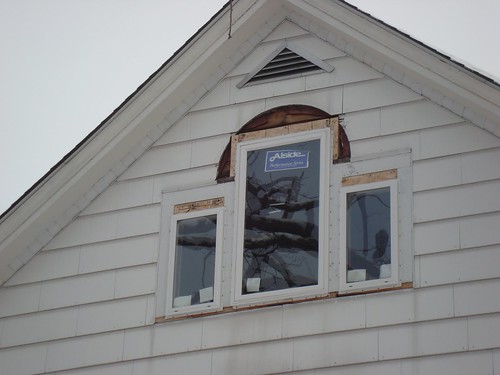
North by Northside, Jeff SkrenesNorth by Northside, Jeff Skrenes
In reality, when you hear the phase "that house has good bones," it's giving a sense of humanity to a building. The bones are represented by the framing and structural items, but one needs more than "good bones" to have a human who is worth anything. In an old home let's be sure to look past the "bones" and see that the plumbing is the circulatory system, the electrical is the nervous system, windows are the eyes, HVAC is the respiratory system, and the plaster and lath walls covering most interior surfaces, well, that plaster is your home's skin. And we all know that the skin is the single most important organ the body owns.
 Continue Reading Full Post

